
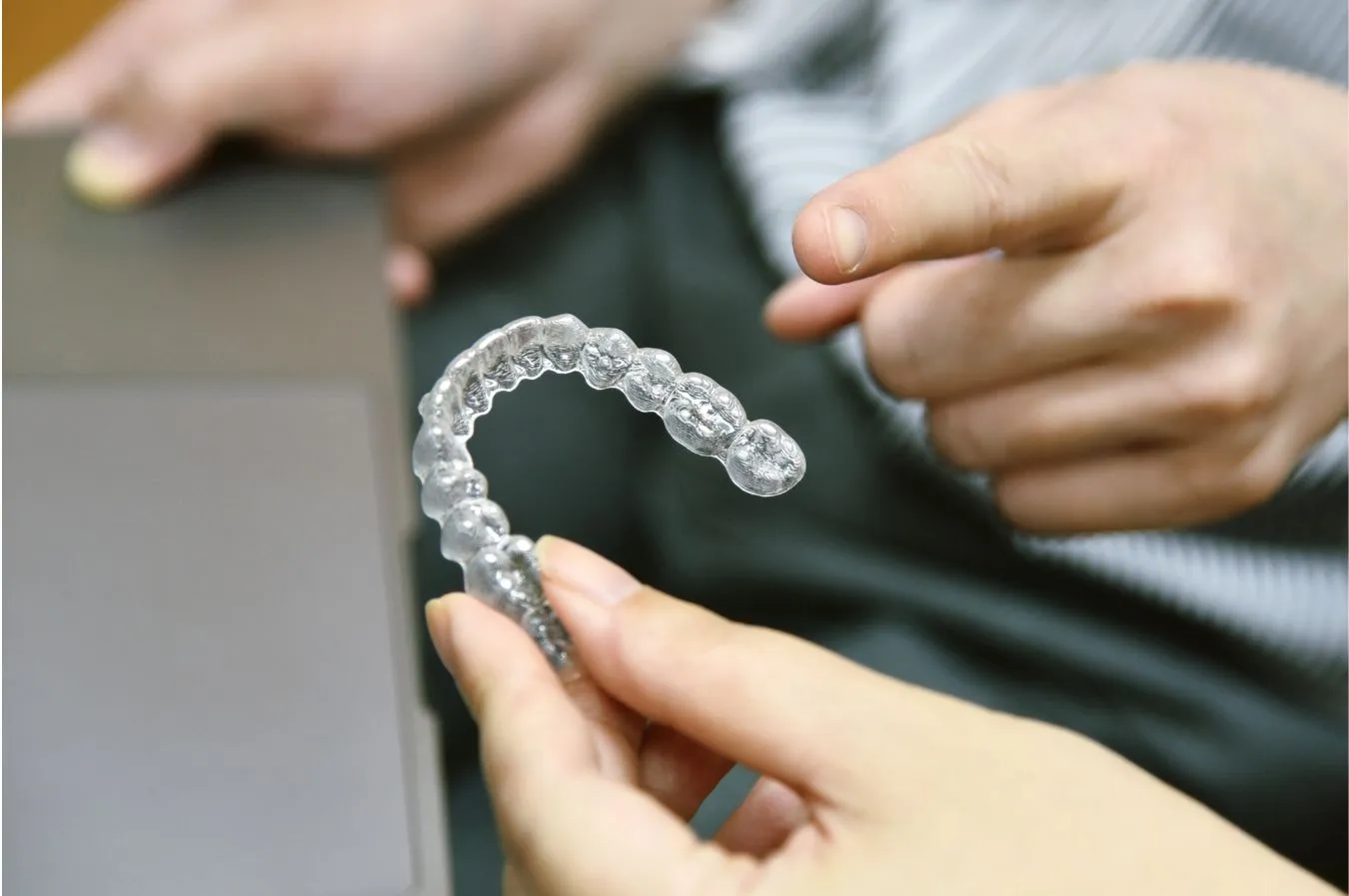
If you've ever wondered whether clear aligners can really craft smiles as well as traditional braces, you're not alone. Understanding how Invisalign works and whether it's truly effective for straightening teeth matters before you commit to any treatment. Invisalign has become one of the most popular orthodontic treatments available today, and for good reason. These custom-made, nearly invisible trays offer a comfortable, flexible way to achieve the smile you've always wanted.
This article covers how Invisalign moves your teeth, what the treatment process looks like step by step, how it compares to braces, and whether it's the right choice for your smile.
What Is Invisalign and How Does It Work to Craft Smiles?
Invisalign is a clear aligner system that uses a series of removable, custom-fitted plastic trays to gradually shift teeth into their ideal positions. Each tray applies targeted, controlled pressure to specific teeth at specific times during your treatment.
Unlike traditional braces, which rely on metal brackets and wires bonded to your teeth, Invisalign trays are made from a smooth, BPA-free thermoplastic material called SmartTrack. The material is designed for precision and comfort, and the trays fit snugly over your teeth while remaining nearly invisible.
So how does that pressure actually move teeth? The science behind it is the same biological process that makes braces work. When consistent force is applied to a tooth, the bone tissue on one side of the tooth root gradually breaks down (a process called resorption), while new bone forms on the opposite side. This allows the tooth to shift position over time. Invisalign controls this process digitally, mapping out each fraction-of-a-millimeter movement before your first tray is ever manufactured.
Each set of aligners makes small, incremental adjustments. You wear one set for one to two weeks, then move to the next set in the series. Over the course of several months, these small shifts add up to significant changes in tooth position, spacing, and bite alignment.
One thing that sets Invisalign apart from other clear aligner brands is the level of orthodontic oversight built into the process. Your Board-Certified orthodontist designs and monitors your treatment from start to finish, making adjustments as needed. That professional supervision is a major factor in the system's effectiveness. Invisalign also uses features like SmartStage technology and precision-cut attachments (small tooth-colored bumps bonded to certain teeth) to achieve movements that earlier generations of clear aligners couldn't handle.
The Invisalign Treatment Process: Step by Step
From your first appointment to your final result, the Invisalign process follows a clear, structured path. Here's what to expect at each stage so you know exactly what you're signing up for.
Your Initial Consultation
Your Invisalign experience starts with a consultation with a Board-Certified orthodontist. During this visit, your orthodontist examines your teeth, discusses your goals, and determines whether Invisalign is right for your specific needs. Many practices use advanced digital scanning technology like the iTero scanner to create detailed 3D images of your teeth. This eliminates the need for messy traditional impressions and gives your orthodontist a precise digital model to work from.
Building Your Custom Treatment Plan
This is the part most people love. Using the digital scans of your teeth, your orthodontist creates a personalized ClinCheck 3D treatment plan. This software maps out every single tooth movement from start to finish. You can actually preview what your smile will look like at each stage of treatment and see your projected result before you even begin. That kind of visibility gives you real confidence heading into treatment.
How Your Custom Aligners Are Made
Once you approve your treatment plan, Align Technology fabricates your custom aligners using their proprietary SmartTrack material. You'll receive multiple sets of aligners, each designed to make precise adjustments to your tooth positions. The manufacturing process is highly controlled, ensuring each tray matches the digital plan your orthodontist created.
Wearing Your Aligners Day to Day
This is where the real work happens. You'll wear each set of aligners for 20 to 22 hours per day, removing them only to eat, drink anything other than water, brush, and floss. Every one to two weeks, you'll switch to your next set of aligners. Each new set applies gentle, controlled pressure to continue moving your teeth toward their ideal positions. Most people find the routine becomes second nature within the first week or two.
Progress Checks With Your Orthodontist
Throughout your treatment, you'll have periodic appointments with your Board-Certified orthodontist to monitor your progress. These visits are typically quick and ensure everything is moving according to plan. Your orthodontist may make adjustments if needed to keep your treatment on track. Because the entire process is digitally planned, these check-ins are usually straightforward.
Retainers: Protecting Your New Smile
After you complete your aligner series, the work isn't quite done. You'll transition to wearing retainers to maintain your beautiful new smile. Retainers prevent your teeth from shifting back to their original positions. This phase is non-negotiable for long-term success, and skipping it can undo months of progress.
What Are the Key Benefits of Choosing Invisalign Clear Aligners?
Invisalign offers several advantages that make it an appealing choice for children, teens and adults looking to improve their smiles. Here are the biggest reasons people choose clear aligners over other orthodontic options.
The Nearly Invisible Look
The clear plastic trays are virtually undetectable when you're wearing them. Most people won't even notice you're in treatment, which makes Invisalign especially popular with adults and teens who want a discreet option. Whether you're in a work meeting, at a social event, or taking photos, your aligners stay out of sight.
Removability Improves Daily Life and Oral Hygiene
Unlike traditional braces, you can take your aligners out whenever you need to. Enjoy your favorite foods without restrictions, and brush and floss normally without working around brackets and wires. Your oral hygiene routine stays simple and effective.
Fewer emergency visits come with the territory, too. No brackets means no broken brackets. No wires means no poking wires. Invisalign patients typically experience fewer unexpected trips to the orthodontist compared to those with traditional braces.
Previewing Your Results Before Treatment Starts
Yes, you can see what your smile will look like before you commit. The digital treatment planning process lets you see exactly what your outcome will be at each stage. This gives you confidence and excitement about your decision, and it removes a lot of the uncertainty that comes with starting orthodontic treatment.
Is Invisalign More Comfortable Than Braces?
Many people find Invisalign more comfortable than traditional braces. The smooth SmartTrack plastic sits gently against your cheeks and gums, without the sharp edges that metal brackets and wires can sometimes create. While you'll feel pressure when you switch to a new set of aligners, that sensation is typically mild and fades within a day or two. For patients who are sensitive to discomfort, the smooth design of Invisalign trays can make a real difference in their day-to-day experience.
Is Invisalign Effective Compared to Braces for Straightening Teeth?
Invisalign is as effective as traditional braces for most mild to moderate orthodontic cases, though braces may still be preferred for severe or complex issues. One of the most common questions orthodontists hear is whether Invisalign works as well as braces. The short answer? For most cases, yes.
| Factor | Invisalign | Traditional Braces |
|---|---|---|
| Appearance | Nearly invisible | Visible metal or ceramic |
| Removability | Removable for eating/cleaning | Fixed in place |
| Treatment Time | 12-18 months average | 12-24 months average |
| Best For | Mild to moderate cases | All complexity levels |
| Comfort | Smooth plastic | Metal brackets and wires |
| Compliance Needed | High (22 hrs/day wear) | Built-in (always working) |
Mild to Moderate Cases
Clear aligners excel at treating common orthodontic concerns including crowding, spacing, overbites, underbites, and crossbites. For these cases, Invisalign can deliver results that match what traditional braces achieve. The digital precision of the ClinCheck system allows your orthodontist to plan movements with a high degree of accuracy.
When Traditional Braces May Be a Better Option
Some situations may still call for traditional braces. Severe skeletal issues, complex tooth rotations, or cases requiring extractions might benefit from the precise control that brackets and wires provide. That said, advances in Invisalign technology have expanded what clear aligners can treat significantly over the past decade. Cases that were once considered too complex for aligners are now routinely treated with Invisalign.
How Compliance Affects Your Results
The biggest difference in effectiveness comes down to patient compliance. Braces work around the clock because they're fixed to your teeth. Invisalign requires you to commit to wearing your aligners 22 hours per day. Skip wearing them, and your treatment will take longer or produce less predictable outcomes.
When worn as directed, Invisalign delivers results comparable to traditional braces for the majority of orthodontic cases. The aligners apply consistent pressure needed to move teeth effectively, but only when they're actually in your mouth.
What Affects the Cost of Invisalign Treatment?
Invisalign treatment typically costs between $3,000 and $8,000, depending on case complexity, number of aligner sets, treatment duration, and insurance coverage. Several factors influence your final investment, and understanding them helps you plan ahead. Here's what drives the numbers.
Case Complexity
More complex cases require more aligners and longer treatment times, which increases the overall cost. A minor spacing issue will cost less than correcting a significant overbite with crowding. Your orthodontist will assess the scope of your case during your initial consultation and give you a clear picture of what to expect.
Number of Aligner Sets
Some people need only a handful of aligners, while others may require 30 or more sets. The number of trays directly affects your investment. Longer treatments also require more appointments, more aligners, and more of your orthodontist's time and expertise. Each set is custom-manufactured, so the total number of trays plays a direct role in pricing.
Does Insurance Cover Invisalign?
Good news: many dental insurance plans cover Invisalign the same way they cover traditional braces. Check with your provider to understand your benefits. Coverage amounts vary, but many plans contribute a set dollar amount toward orthodontic treatment regardless of whether you choose braces or aligners.
Payment Options That Make Invisalign Affordable
Flexible, affordable payment plans make Invisalign accessible for most budgets. Many practices offer easy financing with manageable monthly payments. HSA (Health Savings Account) and FSA (Flexible Spending Account) funds can also help reduce your out-of-pocket costs. These accounts let you use pre-tax dollars toward treatment, which can add up to meaningful savings over the course of your treatment.
The most accurate way to know what Invisalign will cost for your specific situation is to schedule a consultation. Your Board-Certified orthodontist can evaluate your needs and provide a personalized estimate based on your unique case.
Are You a Good Candidate for Invisalign?
Good candidates for Invisalign include teens and adults with mild to moderate orthodontic issues such as crowding, spacing, or bite concerns who can commit to wearing aligners 20 to 22 hours per day. Invisalign works well for many people, but it's not the right fit for everyone.
Ideal Candidates Include:
- Teens and adults with mild to moderate alignment issues
- Those dealing with overbites, underbites, crossbites, or open bites
- People with gaps between teeth or crowding
- Anyone committed to wearing aligners 20-22 hours daily
- Those who value a discreet orthodontic treatment option
Invisalign May Not Be Ideal For:
- Very young children whose teeth and jaws are still developing
- People with severe skeletal jaw discrepancies
- Those who may struggle with the discipline of removable aligners
- Certain complex cases requiring precise bracket positioning
The best way to determine your candidacy is through an evaluation with a Board-Certified orthodontist. An orthodontist has two to three years of specialized training beyond dental school, giving them the specialized expertise and clinical knowledge to assess your specific needs and recommend the most effective treatment approach.
According to the American Association of Orthodontists, seeing an orthodontist rather than a general dentist for orthodontic treatment ensures you receive care from a specialist trained specifically in tooth movement and facial development.
Frequently Asked Questions About Invisalign
Does Invisalign Hurt?
Invisalign is not typically painful. Most people report mild pressure or discomfort when switching to a new set of aligners, which usually fades within a day or two. Over-the-counter pain relievers can help if needed, though many patients find the sensation manageable without them.
How Long Does Invisalign Treatment Take?
The average Invisalign treatment takes 12 to 18 months, though your timeline depends on your specific case. Minor adjustments may take as little as six months, while more complex cases could extend beyond 18 months. Your orthodontist will give you a realistic timeline during your initial consultation.
Can You Eat With Invisalign In?
No. Always remove your aligners before eating or drinking anything other than water. This protects your aligners from damage and staining, and it prevents food particles from getting trapped between your aligners and teeth.
Is Invisalign as Effective as Braces?
Yes, for most orthodontic cases. When worn as directed, Invisalign produces results comparable to traditional braces. The key is compliance. Wearing your aligners 22 hours per day allows them to apply the consistent pressure needed to move your teeth effectively. For those who follow the plan, the outcomes speak for themselves.
Do You Need a Retainer After Invisalign?
Absolutely. Retainers are non-negotiable for maintaining your results after any orthodontic treatment, including Invisalign. Without retainers, your teeth will naturally try to shift back toward their original positions. Most patients wear their retainers full-time initially, then transition to nighttime wear long-term. Your retainer is what locks in all the progress you've made.
How Is Invisalign Different From Mail-Order Aligners?
The difference is professional oversight, and it's a big one. Invisalign treatment is supervised by an orthodontist who monitors your progress throughout the entire process. Mail-order aligners often lack this level of clinical supervision. With Invisalign, you benefit from in-person evaluations, customized treatment planning, and the ability to address any issues that arise during treatment.