
Choosing an orthodontist in Abingdon, VA comes down to training, the range of treatment options offered, how clearly costs are explained and whether the office fits your family's routine, so it pays to compare a few specifics before you commit.
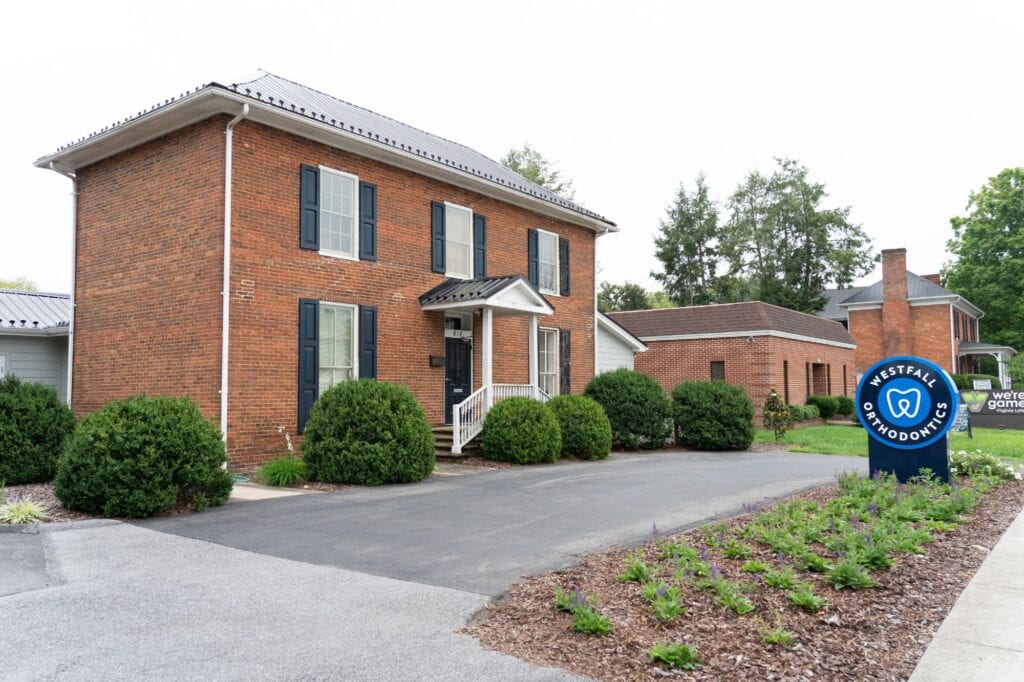
At Westfall Orthodontics, our Abingdon office on East Main Street sees children, teens and adults from Abingdon, Lebanon and the South Holston Lake area. Many families are not sure what to look for the first time around, so this guide walks through the questions that tend to matter most once treatment actually begins.
What Makes an Orthodontist Different From a General Dentist?
Specialty training after dental school
Every orthodontist starts as a dentist, then completes a separate residency focused entirely on moving teeth and guiding jaw growth. That extra training is what allows an orthodontist to plan complex bite corrections, decide when early treatment helps a child and when simply watching growth is the better choice, and manage treatment from the first visit through retainers.
Board certification is an extra step
Board certification through the American Board of Orthodontics is voluntary and involves a written exam plus a review of finished patient cases. Board-certified orthodontist Dr. Chad Westfall has led the practice since 2013, and he works alongside Dr. Ian Weaver, who earned both his dental degree and his orthodontic master's degree at West Virginia University.
Which Questions Should You Ask at a First Consultation?
Questions about the plan itself
A good consultation should leave you understanding what the problem is, what happens if you wait, and what each option involves. Ask whether treatment is needed now or later, which appliances are being recommended and why, roughly how long treatment typically lasts for a case like yours, and how often you will need to come in.
Questions about the practical side
It is just as reasonable to ask about scheduling, school-day appointments, what happens if a bracket breaks, and how the office handles insurance paperwork. These details shape your experience far more than most families expect, especially when treatment runs well over a year.
How Should You Compare Treatment Options Between Offices?
Look for a full range of choices
Some offices lean heavily on a single approach, while others can match the appliance to the patient. In our Abingdon office we offer traditional metal braces, clear ceramic braces, self-ligating braces and Invisalign clear aligners, including Invisalign First for younger children and Invisalign Teen. Having several options on the table makes it easier to choose something that suits a child's age, an adult's work life or a teen's sports schedule.
Ask how the recommendation was reached
The right appliance depends on the bite, the amount of crowding or spacing, facial growth and how well a patient will keep up with their part of the work. An orthodontist should be able to explain why one option fits better than another rather than simply presenting a menu.
What Should a First Visit in Abingdon Include?
Records and a real conversation
At your first visit, our team takes digital photographs and scans so the doctor can look closely at the teeth, jaws and facial profile. Dr. Westfall or Dr. Weaver then reviews those records with you, points out specific areas of concern and walks through what kind of correction is realistic. The first visit is described on our patient resources page in more detail if you want to know what to expect.
No messy impressions
Our iTero scanner captures thousands of images to create a detailed 3D model of the teeth in a few minutes, so most patients never need traditional putty impressions. The scan also lets us show a preview of how the finished smile could look before treatment begins.
How Much Does Location and Scheduling Matter?
Appointments add up over time
Braces patients usually come in for periodic adjustment visits, and aligner patients check in on a regular schedule too. An office close to school or work makes those visits far easier to keep, which matters because missed appointments can slow progress.
Fewer trips with remote check-ins
We use DentalMonitoring, an app that lets many patients send a quick set of smartphone photos so the doctor can review progress between visits. For busy Abingdon families, that can mean fewer trips into the office while still keeping a close eye on how treatment is moving.
A Quick Checklist for Comparing Orthodontists
Many families find it helpful to bring a short checklist to each consultation and jot down the answers side by side.
| What to compare | Why it matters | What to ask |
|---|---|---|
| Training and credentials | Specialty training shapes planning and results | Is the doctor an orthodontist, and are they board-certified? |
| Range of options | More choices make it easier to fit the patient | Do you offer metal, ceramic, self-ligating braces and Invisalign? |
| Technology | Digital scans and remote monitoring save time | Do you use digital scanning and remote check-ins? |
| Clear costs | Avoids surprises later | Will I see the full cost and payment options before starting? |
| Convenience | Easier to keep appointments | Where is the office and how flexible is scheduling? |
How Do Costs and Insurance Usually Work?
Getting a clear number up front
Orthodontic fees depend on how long treatment will take, how complex the case is and which appliance you choose, so an honest office cannot quote a price before seeing you. What you should expect is a clear breakdown of the full cost before anything begins, with no hidden fees added later.
Payment plans and insurance
We offer no-interest payment plans, automatic payments, a discount for paying in full at the start and help with insurance. Our team works to estimate your orthodontic coverage before your consultation and files claims for you, and you can explore monthly options with our payment calculator.
Is the Office a Comfortable Fit for Your Family?
Small details make long treatment easier
Orthodontic treatment often lasts a year or more, so the atmosphere of the office matters. Our offices are home to Molly, a certified therapy dog patients can ask to see during appointments, and our team includes Spanish-speaking members so more families can communicate comfortably.
Programs for kids and teens
Our 7&Up Kids Club helps younger patients feel at ease while we monitor growth, and children collect pins for their own Westfall lanyard along the way. Teens can also look forward to our quarterly patient giveaways throughout treatment.
How Do You Get Started With an Orthodontist in Abingdon?
Book a consultation and bring your questions
The simplest next step is to see the office in person, meet the doctors and get answers specific to your smile or your child's. Consultations at Westfall Orthodontics are free, and you can schedule a free consultation at our Abingdon office whenever you are ready.
Starting the same day is possible
If you feel comfortable with the plan after your questions are answered, many patients are able to start treatment the same day as their consultation. There is no pressure to do so, and plenty of families prefer to go home and talk it over first.
Frequently Asked Questions
Do I need a referral from my dentist to see an orthodontist in Abingdon?
No referral is required to schedule a consultation with us. Many patients are referred by their family dentist, but parents and adults are welcome to contact us directly. Keep seeing your dentist for regular cleanings and checkups throughout orthodontic treatment.
At what age should my child first see an orthodontist?
The American Association of Orthodontists recommends a first orthodontic check-up around age 7. Most children are not ready for braces at that age, but an early look lets us spot developing bite or spacing problems and decide on the best timing.
Can adults get braces or Invisalign in Abingdon?
Yes, adults make up a growing share of orthodontic patients. Clear ceramic braces and Invisalign are popular with adults who want a more discreet option, and self-ligating braces are another choice for people who value comfort and fewer adjustments.
How long does orthodontic treatment usually take?
It depends on the case, but most braces patients finish in roughly 12 to 24 months. Your treatment plan will include an estimated timeline after the doctor has reviewed your records.