
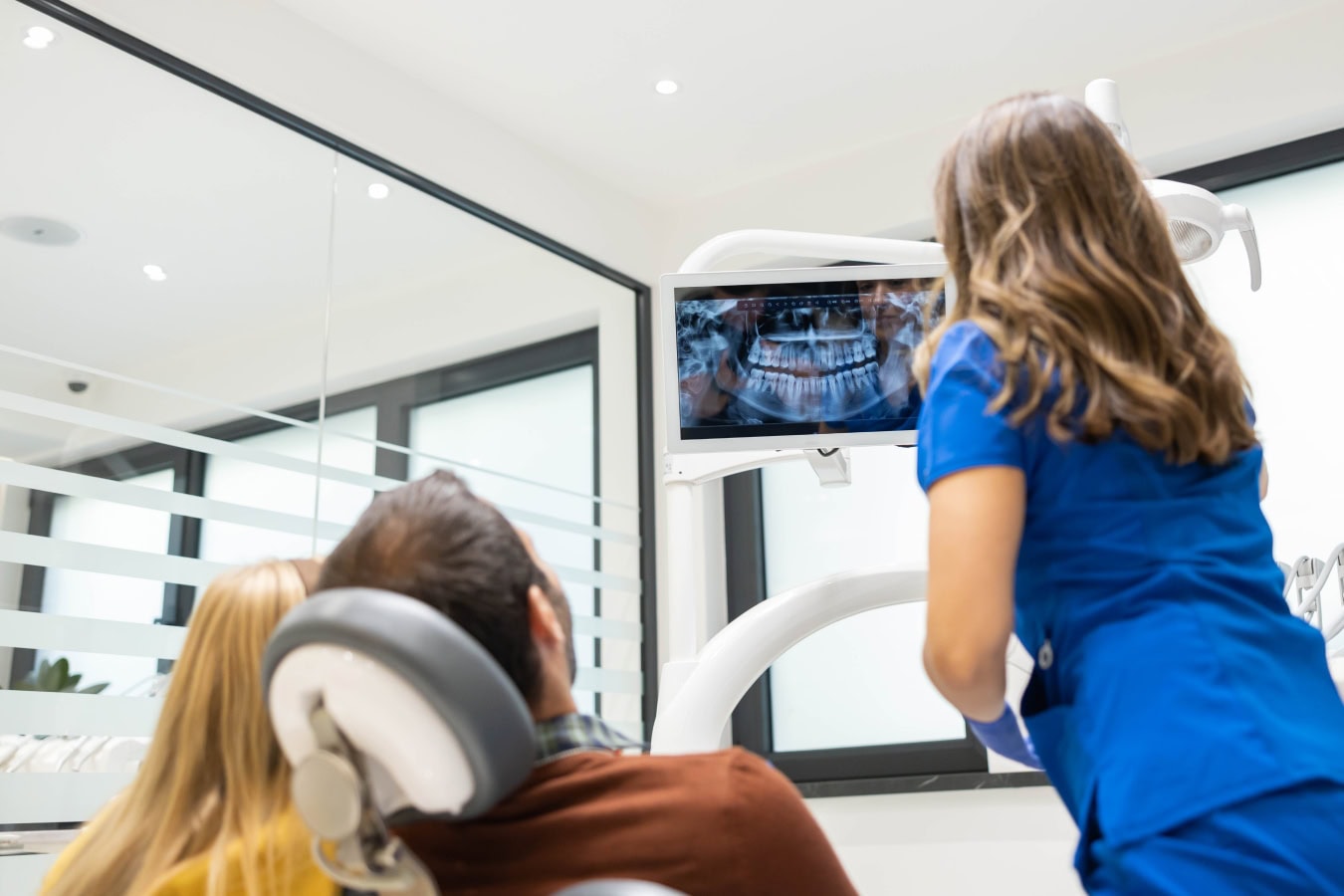
Phase 1 orthodontic treatment is early intervention designed for children between ages 6 and 10, while baby teeth are still present and the jaw is actively growing. This approach, also called interceptive orthodontics, addresses developing bite and jaw concerns during the window when correction is most effective. According to the American Association of Orthodontists, every child should have their first orthodontic evaluation by age 7.
But what does "interceptive" actually mean? It means stepping in before a developing concern becomes a bigger one. Rather than waiting until all permanent teeth have erupted, interceptive orthodontics targets the underlying skeletal and dental conditions, like a narrow palate or a crossbite, while a child's bones are still malleable and responsive to guided growth. That's what makes this window so valuable. The same corrections attempted later in adolescence or adulthood can require more invasive treatment, longer timelines, or even surgical intervention.
Not every child needs Phase 1 treatment. Many kids can wait until their permanent teeth come in for a full round of treatment. But for those with specific jaw or bite concerns, early treatment can make a real difference in their smile's development and their overall oral health. A Board-Certified orthodontist will evaluate each child individually, looking at jaw growth patterns, tooth eruption, and bite relationships to determine whether early intervention will benefit your child or whether waiting is the better choice. That distinction matters. Treating too early can be unnecessary, and treating too late can mean missed opportunities.
How Does Phase 1 Orthodontic Treatment Work?
Phase 1 orthodontic treatment works by using specialized appliances over 6 to 18 months to guide jaw growth and create space for permanent teeth. According to the American Association of Orthodontists, roughly 1 in 3 children may benefit from some form of early orthodontic intervention. Treatment begins with a thorough diagnostic evaluation. Your Board-Certified orthodontist will take diagnostic records including X-rays, photos, and digital impressions to understand exactly what's happening with your child's teeth and jaw development. These records help build a treatment plan designed for your child's specific needs.
The duration depends on the concern being addressed. Your child may wear one or more appliances built around guiding growth and creating better conditions for permanent teeth. Some children need only a single appliance for a few months, while others require a combination approach over a longer period.
Common Phase 1 appliances include:
- Palatal expanders that widen a narrow upper jaw
- Partial braces on specific teeth to correct alignment
- Space maintainers that hold room for permanent teeth
- Habit appliances to address thumb sucking or tongue thrust
After active treatment ends, your child enters what's called the resting phase. No appliances during this time. Instead, your orthodontist monitors growth and watches as remaining permanent teeth come in. This observation period helps determine whether Phase 2 treatment will be needed later.
Regular check-ups during the resting phase keep everything on track. Your orthodontist is watching for how the jaw continues to develop and how permanent teeth are erupting into the space that's been created. These visits are quick but important.
Key Benefits of Phase 1 Orthodontic Treatment
The key benefits of Phase 1 orthodontic treatment include guided jaw growth, creation of space for permanent teeth, reduced risk of tooth extractions, and potentially avoiding jaw surgery later in life. Early treatment isn't right for everyone, but when it's indicated, the benefits are significant and can shape how your child's smile develops for years to come.
- Space for crowded permanent teeth to erupt into better positions
- Improved function, including speech clarity, breathing, and comfortable chewing
- A boost in confidence during formative years when self-esteem is developing
How Does Phase 1 Guide Jaw Growth?
A child's jaw is still developing between ages 6 and 10, which means orthodontic appliances can influence its shape and size in ways that aren't possible once growth slows down. A palatal expander, for example, can widen a narrow upper jaw to correct a crossbite, and that correction becomes part of the child's natural bone structure as they grow. Guiding jaw growth early also helps correct or prevent underbites and overbites, improving both function and facial balance.
Can Early Treatment Reduce the Need for Surgery?
Yes, in many cases. When jaw discrepancies are caught early, orthodontic appliances can redirect growth enough to avoid surgical correction later. A child with a developing underbite, for instance, may respond well to early intervention that guides the upper jaw forward, potentially eliminating the need for jaw surgery as a teenager or adult.
Early treatment also simplifies future orthodontic work by making Phase 2 shorter and less involved. Think of Phase 1 as setting the stage. The goal isn't to finish all orthodontic treatment early. It's to take advantage of a specific growth window to correct concerns that are best addressed now.
Phase 1 vs. Phase 2 Orthodontic Treatment: What's the Difference?
Parents often wonder how Phase 1 relates to the braces or Invisalign treatment they see older kids wearing. Phase 1 treats jaw and bite foundations in children ages 6 to 10, while Phase 2 aligns all permanent teeth in adolescents ages 11 to 14. Here's how they compare across age, goals, appliances, and duration:
| Aspect | Phase 1 Treatment | Phase 2 Treatment |
|---|---|---|
| Typical Age | 6–10 years old | 11–14 years old |
| Primary Goal | Guide jaw growth, intercept developing concerns | Align all permanent teeth, refine bite |
| Common Appliances | Expanders, partial braces, space maintainers | Full braces or Invisalign |
| Duration | 6–18 months | 12–24 months |
| Teeth Involved | Mix of baby and permanent teeth | Primarily permanent teeth |
| Note | Not every child needs this phase | Often shorter if Phase 1 was completed |
Phase 1 focuses on the foundation: the jaw and bite relationship. Phase 2 is the full treatment that aligns all permanent teeth and fine-tunes the bite.
Not every child who completes Phase 1 will need Phase 2. Some cases resolve so well during early treatment that additional orthodontics aren't necessary. Others will benefit from a second phase, but that treatment is often shorter and simpler because the groundwork has already been laid. Your Board-Certified orthodontist will monitor your child between phases and let you know what to expect as permanent teeth come in.
What Factors Affect the Cost of Phase 1 Treatment?
Phase 1 orthodontic treatment costs vary based on the complexity of your child's case, the appliances required, and how long treatment lasts. In general, simpler cases involving a single appliance will cost less than multi-appliance treatment plans. Your Board-Certified orthodontist can walk you through exact pricing during a free consult.
Treatment complexity plays a major role. A simple space maintainer costs less than a palatal expander combined with partial braces. The specific appliances your child needs directly affect the overall cost.
Treatment duration matters too. A 6-month treatment plan costs less than one lasting 18 months, simply because of the number of appointments and adjustments involved.
Insurance coverage can help significantly. Many dental insurance plans cover a portion of Phase 1 orthodontics, treating it as part of your child's overall orthodontic benefit. It's worth checking your specific plan details and asking your insurance provider what percentage of interceptive treatment is covered.
Early intervention may actually lower your total orthodontic investment. By addressing concerns now, Phase 2 treatment often becomes shorter and less involved, which can mean lower costs overall. When exploring costs, ask about affordable payment plans, what's included in the quoted fee, and whether Phase 2 pricing is adjusted for patients and families who completed Phase 1.
Signs Your Child May Need Phase 1 Orthodontic Treatment
While only a Board-Certified orthodontist can determine whether Phase 1 treatment is truly necessary, certain signs suggest an early evaluation is a good idea:
- Crossbite, underbite, or significant overbite that's visible when your child bites down
- Early loss of baby teeth which could disrupt how permanent teeth come in
- Late loss of baby teeth past typical ages, possibly pointing to eruption concerns
- Obvious crowding even among baby teeth, suggesting there won't be enough room for permanent ones
- Mouth breathing or chronic open-mouth posture, which can signal a narrow palate
- Thumb sucking or finger habits continuing past age 5
- Difficulty chewing or biting into food normally
- Speech difficulties that may relate to jaw or tooth position
If you notice any of these signs, scheduling an evaluation makes sense. An evaluation doesn't automatically mean your child will need treatment. Many children are simply monitored until they're ready for full care later.
The AAO recommends age 7 for a first orthodontic visit because that's when most children have enough permanent teeth for an orthodontist to assess their development accurately. At that age, the first molars and incisors have usually erupted, giving your orthodontist a clear picture of how the bite is developing and whether intervention would be helpful.
Frequently Asked Questions About Phase 1 Orthodontics
What age should my child start Phase 1 treatment?
Between ages 6 and 10, when the jaw is still growing and a mix of baby and permanent teeth are present. The AAO recommends an orthodontic evaluation by age 7. That doesn't mean treatment starts at 7. It means your orthodontist can identify whether early intervention would help or if watching and waiting makes more sense for your child's specific situation.
How long does Phase 1 orthodontic treatment take?
Most Phase 1 treatment lasts between 6 and 18 months, depending on the type and extent of correction needed. A palatal expander might complete its work in 6 to 9 months, while more involved cases take longer. After active treatment, there's a resting period where your orthodontist monitors growth until permanent teeth finish coming in.
Can Phase 1 treatment eliminate the need for braces later?
Sometimes. Children whose concerns are fully corrected during Phase 1 may not need additional orthodontic treatment. Many children do benefit from Phase 2 to align all permanent teeth, though that second phase is often shorter after successful early intervention.
Does my child need Phase 2 after Phase 1?
It depends on the child. Some achieve excellent results from Phase 1 alone, while others need Phase 2 once all permanent teeth have erupted. Your orthodontist monitors your child during the resting phase and makes recommendations based on how their teeth and jaw develop over time.
Is Phase 1 treatment painful for kids?
Most children tolerate Phase 1 treatment very well. There may be mild discomfort when appliances are first placed or adjusted, but it typically resolves within a few days. Kids adapt quickly, and most parents say their children forget they're wearing appliances after a week or two.
How do I know if my child needs Phase 1 or can wait?
The only way to know for certain is through a professional evaluation. Some bite and jaw concerns are best addressed early, while others can wait until all permanent teeth are in. A Board-Certified orthodontist can assess your child's specific situation and give you honest guidance about whether early treatment is recommended or whether waiting is the better choice for your family.
Want to find out if Phase 1 is right for your child? Schedule a free consult and get a clear answer about your child's smile.